Installation

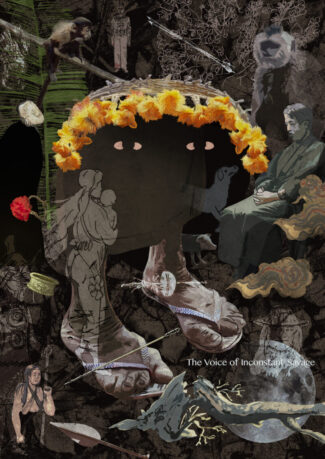
The Voice of Inconstant Savage
Commissioned for the Engawa – Japanese Contemporary Art Season programme organized by Calouste Gulbenkian Museum's Modern Art Center, The Voice of Inconstant Savage is an immersive installation that superimposes a prayer inspired by the story of a 16th-century Portuguese missionary, a chant from a Kakure-Kirishitan (hidden Christians) prayer – a religion rooted in Nagasaki Prefecture –, a chant from the Karawara spirits of the Awá indigenous people – who live in the Amazon rainforest – and a chorus of Western Gregorian chant. Morinaga questions the position of the aesthetics of inconstancy in relation to the discourse of the “savage” that modern society confronts.

Field recordings

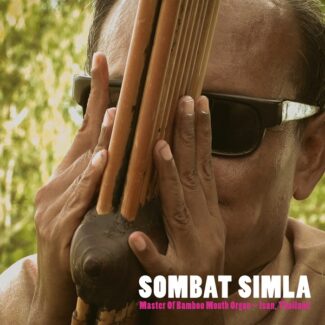
Sombat Simla: Master Of Bamboo Mouth Organ
Simla is known in Thailand as one of the greatest living players of the khene, the ancient bamboo mouth organ particularly associated with Laos but found throughout East and Southeast Asia. His virtuosic and endlessly inventive renditions of traditional and popular songs have earned him the title ‘the god of khene’, and he is known for his innovative techniques and ability to mimic other instruments and non-musical sound, including, as a writer for the Bangkok Post describes, ‘the sound of a train journey, complete with traffic crossings and the call of barbecue chicken vendors’.

Cinema

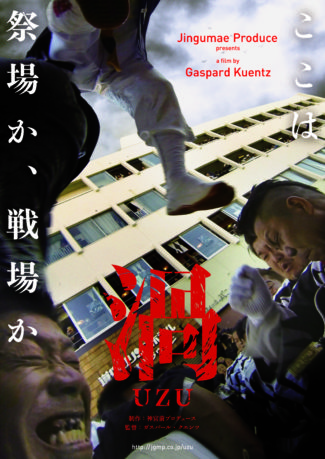
籠城
旧制第一高等学校(通称、一高)は、1935年に本郷から駒場へと移転するが、そこでの生活は、本郷時代以来の「籠城主義」と呼ばれる自治寮での共同生活に支えられた、独特かつ閉鎖的なものだった。だが、1941年、1942年と戦時色が深まるにつれ、一高のアイデンティティともいえる「籠城主義」は、そのまま維持することはできなくなってくる。本作は、あたかも一高生らに同一化するかのように、アイデンティティの拠りどころを求めて研究に専念する大学院生の主人公「わたし」の意識を通じて、駒場時代の一高を描き出す。

Cinema

廻り神楽
東日本大震災により甚大な被害を受けた岩手県三陸海岸を舞台に、大津波を生き抜いた神楽とこの地に暮らす人びとの生活のベースにある力強さを描いたドキュメンタリー。三陸沿岸150キロにおよぶ地域の人びとの人生に寄り添いながら、神々や精霊が息づく三陸の地を340年以上にわたり神の使いとなって巡行の旅をつづけている「廻り神楽」。三陸の大津波を生き抜いた神楽衆が以前と同じように海辺を巡りはじめる。奏でる音色が死者を鎮魂し、海に生きる者の心を支える神楽衆たち、そして海と向き合いながらこの地に住み続ける人びとの日常が描かれる。

Performing arts

MEDIUM
Medium is a deeply personal portrait of Rianto the dancer. Featuring himself and Javanese musician Cahwati on a bare stage, the piece goes to the roots of Indonesian traditional dance and music, exploring nature, spirituality and ritual with a stark minimalism. Rianto, who dances barefoot with trance-like concentration, moves from controlled, hypnotic movements to frenzied shaking. In his body, we see a fluid amalgamation which has stored movements from contemporary dance, classical Javanese dance and lengger, a traditional cross-gender dance from Central Java, in which he has trained since young. Accompanying him, alternating between roles as partner, lover, friend and mother, is Cahwati, who plays a variety of instruments and contributes live vocals.