Installation

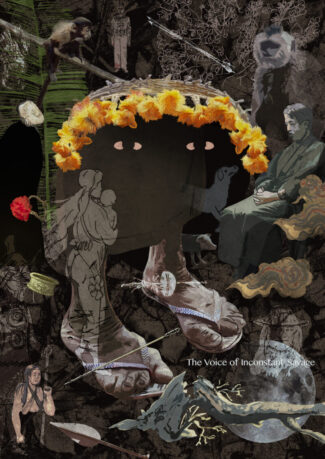
The Voice of Inconstant Savage
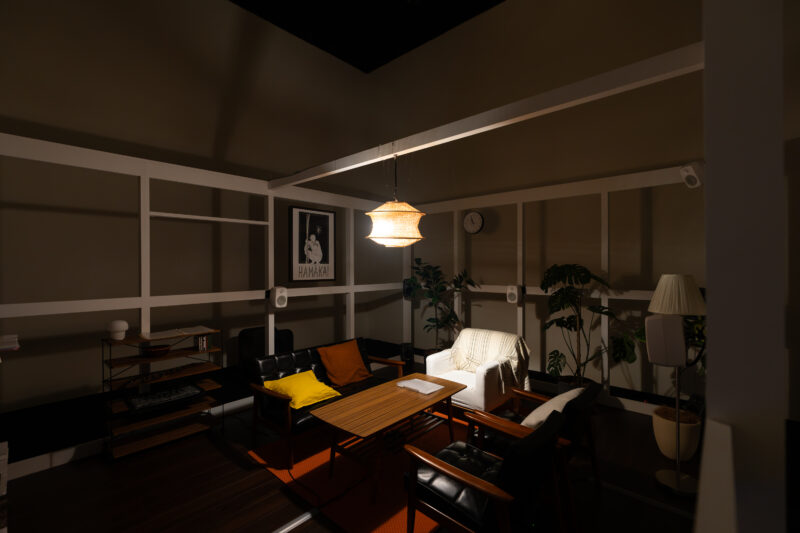
Commissioned for the Engawa – Japanese Contemporary Art Season programme organized by Calouste Gulbenkian Museum's Modern Art Center, The Voice of Inconstant Savage is an immersive installation that superimposes a prayer inspired by the story of a 16th-century Portuguese missionary, a chant from a Kakure-Kirishitan (hidden Christians) prayer – a religion rooted in Nagasaki Prefecture –, a chant from the Karawara spirits of the Awá indigenous people – who live in the Amazon rainforest – and a chorus of Western Gregorian chant. Morinaga questions the position of the aesthetics of inconstancy in relation to the discourse of the “savage” that modern society confronts.

Field recordings

Sombat Simla: Master Of Bamboo Mouth Organ
Simla is known in Thailand as one of the greatest living players of the khene, the ancient bamboo mouth organ particularly associated with Laos but found throughout East and Southeast Asia. His virtuosic and endlessly inventive renditions of traditional and popular songs have earned him the title ‘the god of khene’, and he is known for his innovative techniques and ability to mimic other instruments and non-musical sound, including, as a writer for the Bangkok Post describes, ‘the sound of a train journey, complete with traffic crossings and the call of barbecue chicken vendors’.

Field recordings

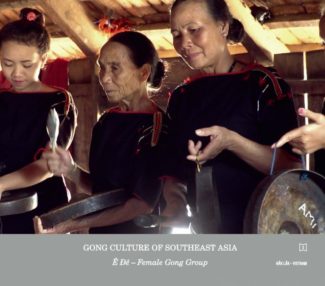
Gong Culture of Southeast Asia「Bahnar」
ベトナム中部高原地帯の北東部と南部に居住するバナ族は、モン・クメール語系に属する民族です。本録音は、サウンドデザイナーの森永泰弘が、2017年の5月と8月にベトナム中部をフィールドワークした際に記録した音源となっています。バナ族のゴング音楽は、主にフラットゴングとコブ付きゴングの両方を使い音楽を奏でます。ゴングは8~9つで1セットになっており、そのなかの6つがフラットゴング、残りがコブ付きゴングを使用します。儀礼や祝祭のときには編成が20(フラットゴングが10でコブ付きゴングが10)または22(フラットゴングが11でコブ付きゴングが11)に及ぶこともあるようで、主にフラットゴングがメロディー、コブ付きゴングがリズムを担い、インターロッキング奏法を使った演奏を行います。水牛供儀・葬式・収穫祭などの音楽を、彼らから記録させていただきました。バナ族の人たちは、ゴングを演奏する際、近所に生えている木枝をとってきてナイフで幹の部分を削り、それを撥にゴングを打ち鳴らしていました。しかし、大きなコブ付きゴングを叩いている方だけは、ジャックフルーツの実を撥に使ってゴングを打ち鳴らしていたのがとても印象的でした。ベトナム中部の少数民族にとって、ゴングは生活と密に関係した大事なシンボルであり、この音源もそんな彼らの気持ちが詰まったアルバムになっているといえるでしょう。

Event/Workshop

Gong Therapy
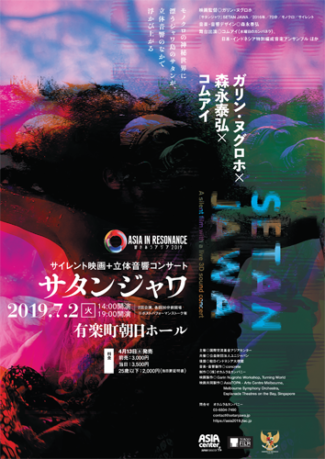
Raw and remixed field recordings of gong orchestras throughout southeast Asia. Recorded, assembled, and remixed by Yasuhiro Morinaga for Radio is a Foreign Country. Yasuhiro Morinaga is a sound artist and filmmaker living in Tokyo. After graduating Tokyo University of the Arts, Yasuhiro has carried out field recording expeditions documenting the origins of musical instruments and the soundscapes of shamanic healing rituals throughout southeast Asia (see www.the-concrete .org). PLAYLIST Ambience: (Toraja group), Rambu Solo (Funeral ceremony) from Toraja, Sulawesi Island Tau Dou / (Tau Humba group), Sumba Island Harvesting / (Tau Humba group), Sumba Island Funeral / (M’nong + Krung groups), Mondalkiri, Northeast Cambodia Ma Badong Chanting / (Toraja group), Toraja, Sulawesi Island Gong Practice by Yasuhiro Morinaga / Bali Island Manang Sirang - chanting / (Dayak Iban group) West Kalimantan, Borneo Island Cut the Bamboo, / (M’nong Prang group), Central highland of Vietnam Hail / (Ede group), Central Highlands of Vietnam Guarding Rice Seeds / (Makassar group) Makassar, Sulawesi Island Daily Routine for everyday life / (Krung group), Ratanakiri, Northeast Cambodia Hedung Dance / (Lamaholot group), Flores Island Balangbang / (Kanakanaey group), Northern Luzon Island A Month after the Death / (Bahnar group), Central Highland of Vietnam Sole Oha Ritual / (Lamaholot group), Flores Island Hsaing Waing Remixes by Yasuhiro Morinaga, Yangon, Myanmar Ambience: (Toraja group), Rambu Solo (Funeral ceremony) from Toraja, Sulawesi Island

Cinema

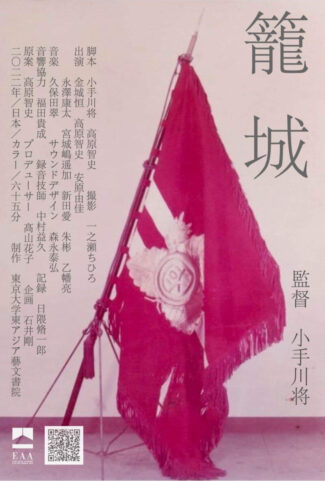
籠城
旧制第一高等学校(通称、一高)は、1935年に本郷から駒場へと移転するが、そこでの生活は、本郷時代以来の「籠城主義」と呼ばれる自治寮での共同生活に支えられた、独特かつ閉鎖的なものだった。だが、1941年、1942年と戦時色が深まるにつれ、一高のアイデンティティともいえる「籠城主義」は、そのまま維持することはできなくなってくる。本作は、あたかも一高生らに同一化するかのように、アイデンティティの拠りどころを求めて研究に専念する大学院生の主人公「わたし」の意識を通じて、駒場時代の一高を描き出す。